Coming soon: Bent Rail Brewery


Recently had the good fortune to spend a few minutes in sunny SoBro with Bradley Zimmerman, head brewer for the much anticipated (scheduled opening is slated for the end of January) Bent Rail Brewery.

Located just south of 54th street on Winthrop Avenue, Bent Rail is bringing value to the neighborhood by remodeling and making fine use of a once dilapidated former fitness center. With plans for an ample beer garden (sorry, no pics of that space. It's 5degrees outside) and direct access to the Monon Trail, Bent Rail is poised to become a regular spot for neighborhood residents as well as beer enthusiasts from afar.


Zimmerman tells me the initial plan is to offer at least 3 house flavors: A Kolsch, slated to ring in under 5%ABV, an American Brown Ale, slated to ring in at about 5 1/2% and an IPA, also in the sessionable bracket, weighing in at under 5%ABV. There are also loose plans for a future barrel program as well as plenty of room in the shiny new 15bbl Craftwerks brewhouse for Zimmerman to stretch creatively.


Bent Rail is also planning a family friendly dining experience, CoOwner Derek Means tells me the plan is for upscale diner fare with house smoked meats and fresh baked breads with some potential for house made barbecue options once the weather breaks. There are even plans in the works for house made peanut butter, as well as almond butter, for the youngsters (or for those of us who are still youngsters in our own minds).

For the more adult minded patrons, Bent Rail has been approved to serve spirits in addition to their beer offerings. This bodes well for the beer-cocktail connoisseurs among us. 


With so much of the focus in the craft beer market in recent years on piling in truck loads of hops and corresponding heavy ABVs; Bent Rail is set to be a breath of fresh air; with beautiful outdoor space and plenty of easy-drinking session beers.

Brace yourselves - Spring is coming. And that beer garden is just a short bike ride up the trail. 

Dribs and Drams

Headline: Virginia brewery taps 300-year-old beer recipe. article

30 homebrew labels Chivepage

So what are you doing with your bottle caps? Try these 30 displays. Chivepage

We’ve been posting recently about beer styles. Martyn Cornell has the tale of West Country White Ale, a lost English beer.

Someone in Napa Valley stole $300,000 in wine from a restaurant. How many bottles is that? See the article.


Bar05

IPAs–A Tale of Two Oceans

IPAs were originated to withstand the crossing of the Atlantic and the Indian Oceans but it’s travels don’t stop there.

British IPA (India Pale Ale)

BritishIPA-RoyalOakThe IPA style was developed, true to legend, in the 1700s to last longer and withstand harsh conditions during a 6-month sea voyage to the troops and aristocrats India. Higher alcohol levels and much higher hopping rates protect the beer.

Of course, lighter beer had been shipped overseas before without too much problem, so there might have been a bit of commercialism involved.

In fact, Captain Cook took Porter with him on the Endeavour in 1768 and on their 1-year anniversary at sea, "a cask of Porter tappd which provd excellently good, so that we livd like English men and drank the healths of our freinds in England."

Historically, IPAs were actually much stronger and more bitter than today's British IPA. OG was in the 1080 range, where Barley Wines start today. Alcohol ranged from up to 9% and IBU figures were normally over a palate-numbing 100 and sometimes up to 150. Imperialism isn't for wimps.

Records show IPAs from Burton-upon-Trent in the mid 1800s, the IPA's heyday, had about 7 to 8% ABV. The Imperial IPA now brewed in the United States is closer number-wise to the original than is the U.K. IPA. The taste, of course, wasn't influenced by modern Northwest hops such as Cascade's grapefruitiness - Fuggles and East Kent Goldings were used almost exclusively.

When steamships shortened the trip from Britain to the colonies, brewers throttled back the alcohol and bitterness quite a bit. By 1885 User's IPA was back to about 6% ABV and one can assume they saved money by using less hops as well as barley.

Actually, IPAs were never that important to the English beer business. By the turn of the 20th century the total India beer market was only 9,000 barrels per year.

In the UK today, IPAs are often more of a name than a style. In fact some companies use the IPA name on their Session Ale - Greene King IPA, Flowers IPA, and Wadworth Henry's IPA are examples of this practice. When getting an IPA in England one needs to check the pump clip for the ABV to see which style you are getting - and there's darn few real IPAs.

Will this be rectified? Nope. Not a chance. A 5% ale is considered strong in Britain and a true IPA wouldn't sell very well at all except to our type of people. There are a few microbreweries making a decent IPA but it isn't economically viable for the regional and national breweries

Although there are still some standouts, most are now just hoppier versions of an Ordinary Bitter without a stronger alcohol content. This corresponds to the British drinker's new obsession with weaker beers sue mainly to drink-drive concerns.

Even though more malt is used to get the increased alcohol, less crystal or specialty malts are normally used so the color of IPA is not usually darker than an Ordinary Bitter.


Native Territory: Central England. Originally brewed for India.

Color (SRM): Golden to medium copper. (4 - 14).

Head: White. Cask Conditioned versions should have very little head.

Aromas: Some malt but strong hop bitterness.

Flavors: No sweetness. Enough bitter on the tongue to welcome a peppermint candy. Sometimes a little bready malt comes through.

Finish: Long and bitter.

Mouthfeel: Light to moderate.

Carbonation: Should be quite low. Cask Conditioned forms use no CO2.

Alcohol: Might be noticeable in the mouth. 4.0 - 6.0% ABV. Some may approach 7%.

Bitterness (IBU): Fairly strong. Earthy Fuggles dominates. (40 - 55 IBU). Serve at 40°F or so - cooler than a Pale Ale - to let the hoppiness come through.

Serving: Pint or half-pint English straight-side glass or handled mug.

Malts: Pale malt predominates. A touch of Biscuit or Crystal is sometimes used.

Hops
British Pale Ale styles. Fuggles. East Kent Goldings.

Yeast: British Ale Yeast, London Ale Yeast.

Related Styles:

British Pale Ale - Using some darker malts, less hops, and with generally lower alcohol levels.

American IPA - Using US Northwest hops and with generally a much higher hop level.

Notes: Like British Pale Ales, some sulfur in the water adds to the characteristic style.


Bob’s RoundEdge-BLPick:  Logo-LoddonLoddon Ferryman's Gold - Reading, England microbrewery - Lots of Styrian Goldings hops give a citric bitterness.

Rare Gems: Logo-Firehouse

Firehouse IPA - Rapid City, SD brewpub - Fairly dark copper. East Kent Goldings hops give true British taste. Pretty strong alcohol at 6.5% but not strong bitterness.

Great Dane Potters Run IPA - Madison, WI brewpub chain - Always served in cask conditioned form. Lots of Fuggles and some Cascades hops.

People's Pint Pied PIPA - Greenfield, MA brewpub -  Fuggles extravaganza with a touch of US Northwest hops. Reddish copper. Grows on you.

Wizard White Witch - Whichford, Warwickshire, England brewpub and microbrewery - A pale IPA from a 1-man brewery. Challenger, Green Bullet, and Northdown hops. Interestingly, uses a lager malt.

Widely Available:

Logo-Arcadia-IPA

Arcadia IPA - Battle Creek, MI regional brewery - Biscuity aroma. Clear copper with big white head. Big hoppy Fuggles bitterness. A bunch of beer.

Brooklyn East India Pale Ale - Contract brewed at FX Matt, Utica, NY megabrewery - A bunch of malt in the start that quickly becomes very bitter. Notably high in alcohol at 6.8%.

Full Sail IPA - Mount Hood, OR regional brewery - Deep gold. Long lacy head. Full bodied. Strong malt is overpowered by hops and they come in quickly. Alcoholic warming.


Typical 5-gallon (US) recipe

Grains:

11 lb Pale malt
1 lb Crystal  40L malt

Adjuncts, Fruit, Spices: None

Hops:

1.5 oz Northern Brewer hops at start of boil
1 oz East Kent Goldings hops for a 15 minute boil

Yeast: English Ale yeast

Mash: Infusion

Boil time: 60 minutes

OG / FG: 1061 / 1013


Check out Zythophile’s article on the mythology of George Hodgson and the origin of IPAs at Myth 4: George Hodgson invented IPA to survive the long trip to India. He also lays down a set of proof at IPA: the executive summary.

Each day we take comfort believing that we have some sort of understanding of the world and that certain facts are largely proven and reliable. So when I stumbled upon a fascinating web article by the estimable Martyn Cornell in the  Zythophile (beer lover) blog that purports to debunk the oft told story that British brewer George Hodgson invented the India Pale Ale to survive the long sea voyage from England to India, I was shocked. Well, maybe not all that shocked. After all, the Jonestown folks really drank Flavor Aid, not Kool Aid. Too soon? OK, bad comparison. Sorry.

Anyway, I’ll synopsize Cornell’s argument here but suggest you read it for yourself.

Legend has it that George Hodgson created the India Pale Ale in the late 18th century while working at the Bow Brewery near London. Standard beers of the time like Porters suffered from the length of the voyage (four months) and the repeated large swings in temperature that they must endure during that time. His variation on the then new Pale Ale recipe called for the addition of large amounts of hops which acted as a preservative making the beer fit for the voyage to India.

Cornell casts a lot of doubt on that legend. It’s unsettling to think that things are not what we always thought them to be.
Why does Zythophile doubt the Hodgson story?

  1. There was no need for a beer specifically designed to survive the long voyage to India as other beers were able to make the voyage without spoiling or souring. Documents from the 18th century do make reference to Porter surviving lengthy sea voyages in “excellently good” condition (from the journal of Joseph Banks on August 25 1769, when he was on board the Endeavour with Captain Cook in the South Pacific).
  2. There is no evidence that George Hodgson was even attempting to make such a beer for that purpose. While we know that he was working at the Bow Brewery east of London at the time (1790 or so) we do not know that he was spending time perfecting a beer recipe for India. We only know for certain that he eventually became extremely successful in shipping his particular recipe of Pale Ale to India. Whether he intended to create a beer for this purpose or not is uncertain.
  3. There really wasn’t much of a market for English beer in India at the time. India was largely self sufficient and the British population there wasn’t terribly large.
  4. Hodgson got lucky in becoming the chief supplier of beer to the East India trade due to the Bow Brewery’s proximity to the docks where ships were departing to India.

Zythophile makes some good points and I might particularly agree with his assertion that Hodgson was lucky, at least to some extent. But while I cannot say that Zythophile is wrong about his facts, I would certainly argue that the conclusions that he draws based on those facts are possibly a rush to judgment.

  1. Could other styles of beer survive the sea voyage to India? While some beers obviously did survive long sea voyages relatively intact, keeping beer fresh and drinkable was still a problem. Evidence of this and the concern over it is fairly well documented. For example, Peter Mathias reports this concern on the part of the Royal Society in his book The Brewing Industry in England 1700-1880 (Cambridge University Press, Cambridge, England, 1959). The fact that some Porter survived long sea voyages does not mean that the problem did not exist.
  2. Was George Hodgson attempting to make a beer to survive the voyage to India? I don’t think I can support that assertion with any documentation, but it is well known that Hodgson is later given much credit for having devised a recipe that was largely a success in that regard and that he and the Bow Brewery gained control of the Indian beer market. The Circular on Beer Trade to India reported in 1829 that Hodgson controlled the Indian market. It is also known that the beer that Hodgson was shipping to India was a unique recipe containing larger than normal amount of hops.
  3. Why would Hodgson spend so much effort to attempt control of the relatively small Indian market? The India market expanded dramatically after the introduction of Hodgson’s beer. Hodgson’s true success was not in wresting control of an already existing market. His success was in supplying the product that allowed the market to grow with his company at the forefront.
  4. Was Hodgson simply lucky to be at the right place at the right time? Probably so. But luck plays a role in almost all of history, so I don’t see that Hodgson’s contribution to it should be diminished by luck simply because he was the beneficiary of it.

So does George Hodgson deserve the credit for creating the style of beer known as the India Pale Ale? Perhaps we are too eager to give sole credit when it would be just as accurate to describe most invention and creation as a conspiracy of circumstance. But the fact remains that George Hodgson was the man in the right place at the right time and it was he who took advantage of those circumstances.

Another account can be found in a blog guesting by Thom Tomlinson


American IPA

When North American brewers make a stronger and bitterer version of their Pale Ale they describe it as an India Pale Ale, just like their British kin. The difference is the Colonials put more grains and more bitterness into theirs (just like the English did when they invented the style).

The Cascade hop is the basis of the American IPA. It gives a bitterness that is strong, sharp, citrusy, floral, even grapefruity. They are dry-hopped for more in the aroma. This bitterness is what hopheads all over North America look for. Just a few years back you'd find the strongest IPAs in Washington and Oregon, where Cascade hops are grown. Now California, the Midwest, and the East produce IPAs just as bitter as the Northwest examples.

There are many excellent bottled examples and many of the brewpubs in North America make their own as a pride of place offering if they don't top the range with an Imperial IPA.


Native Territory: Northwest US.

Color (SRM): Fairly pale. Yellow, golden through light amber. (6 - 15).

Head: White head with good retention.

Aromas: Malt background with lots of hops bitterness. Can be sweet or dry.

Flavors: Malt background and citrusy hops. Bready. Orange fruit. Grassy.

Finish: Not overly long. Not astringent.

Mouthfeel: Medium light.

Carbonation: Medium to high CO2. Rarely seen in cask conditioned form.

Alcohol: Present and sometimes pretty noticeable. 5.5 - 8.0% ABV.

Bitterness (IBU): Plenty of Northwest hops. Probably dry-hopped for additional aroma. (40 - 70 IBU).

Serving: Pint or half-pint English straight-side glass or a pilsner glass. Serve cool to cold - 40°F.

Malts: Pale Malt. Crystal Malt. Sometimes some Vienna Malt for color.

Hops: Cascade is the favorite. Also Amarillo. Centennial. Chinook. Columbus. Willamette. Sometimes also Noble hops such as Perle or Hallertau.

Yeast: American Ale Yeast.

Notes: Best made with hard water - it may need to be "Burtonized" by addition of sulfates.


Logo-SierraNevada-CelebrationBob's Pick: Sierra Nevada Celebration Ale - Chico, CA megabrewery - The classic. Clean, crisp citric flavor. Malt base is strong. Pine and other spices also come through. Year dated bottles.

Rare Gems:

Free State Copperhead Pale Ale - Lawrence, KS regional brewery - Yakama & Cascade dry-hopped. Robust IPA. Balanced, clean & crisp.

Logo-FreeStateTitanic Whitestar IPA - Coral Gables, FL brewpub - Medium peach with long foamy head. Bitter is built in and you don't really notice how much there is.

Free State Brewing Copperhead Pale Ale - Lawrence, KS brewpub and microbrewery - Yakama & Cascade dry-hopped. Robust IPA. Balanced, clean & crisp.

Widely Available

Logo-Anchor-LibertyBottle

AleSmith IPA - San Diego, CA regional brewery - Deep gold with ivory head. Citric hops are predominant. Alcohol comes through at an unusually high 7.2%.

Anchor Liberty Ale - San Francisco megabrewery - One of the early American IPAs. Heavily hopped with Cascades but that's not overboard anymore.

Bell's Two Hearted Ale - Kalamazoo, MI regional brewery - Solid malt skeleton with lots of citrusy hops hung on it. Balanced. Lemon and breadiness if the moon is right.


Typical 5-gallon (US) recipe

Grains:

8 lb Pales malt
3.25 lb Munich malt
1.75 lb Crystal 20L malt

Adjuncts, Fruit, Spices: None

Hops:

1 oz Centennial hops at start of boil
1 oz Centennial hops for a 20 minute boil
.5 oz Cascade hops at end of boil

Yeast: American or Irish Ale yeast

Mash: Infusion

Boil time: 60 minutes

OG / FG: 1063 / 1012

RoundEdge-BL[10]

Imperial IPA

BrewingBeer-HopsOnce your brewery is known for it's excellent IPA what do you do for your next act? Make an Imperial IPA of course. Add more malt. Add more hops. Add still more hops. Dry hop again. And again. Keep it up until it's tooth-scrapingly bitter. Enamel-etching. Until the most devoted hophead cries (literally) "enough".

Some of the best breweries in North America compete to see who can make the hoppiest IPA. It's an interesting contest to watch. Literally, there's a contest at the Great American Beer Festival to crown the Alpha King of the year. It’s been won by

Midnight Sun Sockeye Red
Moylan Boylander Double IPA (twice)
Pizza Port Hop 15 Double IPA (twice)
Pizza Port Poor Man’s Double IPA (twice)
Bell’s Tow Hearted
Oggi’s Torrey Pines IPA
Boundary Bay Imperial IPA
Russian River Pliny the Elder
Thai Me Up 2 X 4 (twice)Mountain Sun Hop Vivant
El Toro Deuce Imperial IPA
Belching Beaver Pound Town Triple IPA

International Bittering Units have gone up past 100 although many experts say you can't really tell a difference past 80. IBU is a measurement of the amount of alpha acids in the beer.

Bittering rates of Cascade hops can make this beer much like pure grapefruit juice. That said, not all Imperial IPA's use the citric northwest hops but it's rare to find one that doesn't.


Native Territory: Microbrewerys all over North America.

Color (SRM): Copper to orange. (8 - 20).

Head: White head with good retention.

Aromas: Hops. Northwest hops.

Flavors: Hops. Northwest hops. Maybe some malt in the background.

Finish: Long hoppy bitterness.

Mouthfeel: Medium to quite thick.

Carbonation: Medium to high CO2.

Alcohol: Present and sometimes pretty noticeable. 5.5 - 8.0% ABV.

Bitterness (IBU): You've been paying attention, right? (80 - 120 IBU).

Serving: Pint or half-pint English straight-side glass or a pilsner glass. Serve cool - 45°F or more - to let the hops come out.

Malts: Pale Malt. Crystal Malt.

Hops: Mainly Cascades. Sometimes additions of Amarillo, Centennial, Chinook, and/or Willamette. Sometimes also Noble hops such as Perle or Hallertau.

Yeast: American Ale Yeast.


Logo-Stone-RuinationBob's Pick: Stone Ruination IPA - Escondido, CA regional brewery - "In fact, the words "Stone Ruination IPA" are what older hop vines use to cause little hop vines to quiver with fright and lose sleep at night." Tasty and citrusy. Huge. There is a little sweetness to offset the hops. 100+ IBU.


Rare Gems:

Logo-BoundaryBayMidnight Sun Sockeye Red IPA - Ankorage, AK brewpub – 2000

Moylan Brewing Moylander Double IPA - Novato, CA brewpub - 2001, 2002

Pizza Port Hop 15: A Profound Hop Experience - Solana Beach, CA brewpub chain – 2004

Oggi's Pizza Torrey Pines IPA - Del Mar, CA brewpub chain – 2005

Boundary Bay Imperial IPA - Bellingham, WA brewpub - 2006

Widely Available:

Logo-DogfishHead

Dogfish Head 90-Minute IPA - Milton, DE regional brewery - Warrior, Simcoe, and Amarillo hops. Clean. Has a solid malt base. They also make a 120-Minute IPA that is boiled for 120 Minutes, dry-hopped for 120 days, and has 120 IBU. 9%

Three Floyds Dreadnaught - Munster, IN regional brewery - A bigger, hoppy beer from a big, not-normal brewery. Dark orange. Grapefruit, lemon, and other citric tastes. 100+ IBU.


Typical 5-gallon (US) recipe

Grains:
13 lb Maris Otter Pale malt
1.5 lb Munich malt
.5 lb Caramal 40L malt

Adjuncts, Fruit, Spices: None

Hops:
2.5 oz Warrior hops at start of boil
1.5 oz Chinook hops at start of boil
1 oz Columbus hops for a 30 minute boild
3 oz Centennial hops at end of boil
3 oz Columbus hops for dry-hopping
2 oz Centennial hops for dry-hopping

Yeast: American Ale yeast

Mash: Infusion

Boil time: 90 minutes

OG / FG: 1084 / 1015

Notes: Dry hop after 1 week of fermentation / conditioning

American Pale Ales and their British counterpoint, Golden Ale

American Pale Ale

AmericanPale-SierraNevadaWhen North American brewers make a Pale Ale, they use stronger hops and more of them than the British Ale brewers. That's the most obvious difference between the two styles. But there's more. Different malt, different yeast, different temperatures, different water, different attitude.

They aren't aiming at the same audience. In England, Scotland, and Wakes there are lots of lager drinkers (Carlsberg, Stella) but more than half of the pubs have 2 or more handpulls serving Pale Ale in cask conditioned form. Across the pond by far most drinkers wouldn't abandon their Budmillercoors for an ale of any kind. They are trying to interest the aficionado. The interested. The showoffs. The beer geek. The type of person who is reading this book right now.

To attract the fanatic, he (she) has to be distinctive. He has to offer something more than a bottled Bass or Old Speckled Hen from the supermarket. Distinctive means more alcohol and more bitterness. U.S. Northwest hops are available for just that purpose. They are spicy, citric, and even grapefruity. The earthy notes of Fuggles aren't called for. Sharp bitterness is. Brewpub brewers often push their Pale Ale into the IPA range (and their IPA into the Imperial IPA range).


Native Territory: Northwest US.

Color (SRM):  Medium gold through medium copper to medium amber. Absolutely clear. (5 - 14).

Head:  White. Can be thin.

Aromas:  Malt and hops. Can be sweet or dry.

Flavors:  Malt background and citrusy hops. Bready. Orange fruit. Grassy.

Finish:  Not overly long. Not astringent.

Mouthfeel:  Medium light.

Carbonation:  Medium to high CO2.

Alcohol:  Present but not noticeable. 4.5 - 6.0% ABV.

Bitterness (IBU):  Plenty of Northwest hops. Possibly dry-hopped for additional aroma, especially at a brewpub. (20 - 50 IBU).

Serving:  Pint or half-pint English straight-side glass or a pilsner glass. Serve cool to cold - 40°F.

Malts:  Pale Malt. Crystal Malt. Sometimes some Vienna Malt for color.

Hops:  Amarillo. Cascade. Centennial. Chinook. Columbus. Simcoe. Willamette. Sometimes also Noble hops such as Perle or Hallertau. The dwarf Summit hops are gaining popularity among US brewers.

Yeast:  American Ale Yeast.

Related Styles:

British Pale Ale - The grandfather of the style. Different, more earthy, hops. Darker color and flavors.

British Golden Ale - The American Pale Ale has been transferred back to England.

American IPA - Hoppier yet. Stronger alcohol. Hop dominates the malt.

Logo-BBCImperial IPA - Even hoppier yet. Stronger alcohol. Hop completely decimates the malt.


BobRoundEdge-BL's Pick: Bluegrass Brewing American Pale Ale - Louisville, KY brewpub - Ruddy red. Balanced citric bitter.

Rare Gems:Logo-ArcadiaAnglersLabel

Arcadia Angler's Ale (Battle Creek - Michigan, USA) - Cascade hops are strong but not overpowering. Smooth. Good neutral belch.

Jaipur Brewing Summit Gold Ale - Omaha, NE brewpub and Indian restaurant - Slightly cloudy dark yellow gold. Well balanced. Creamy. Belgian Lace.

The Library Red Eye Ale - Laramie, WY brewpub - Fine example. Not over-hopped but Cascade is there. Creamy.

Widely Available:

Logo-ThreeFloyds-AlphaKing

Left Hand Jackman's Pale Ale - Longmont, CO regional brewery - Crisp and not overly hopped. Spicy and floral.

Sierra Nevada Pale Ale - Chico, CA megabrewer - One of the originals and the epitome of the style. Plenty of hoppy goodness without being overpowering. Their Harvest Ale is similar but brewed once a year with very fresh hops.

Three Floyds Alpha King - Munster, IN regional brewery - A big, hoppy beer from a big, not-normal brewery.RoundEdge-BL[1]


Typical 5-gallon (US) recipe

Grains:

9.5 lb Pale malt
1.1 lb Crystal 20L malt
.4 lb  malt
.2 lb Black Patent or Special B malt

Adjuncts, Fruit, Spices: None

Hops:

1 oz Amarillo hops at start of boil
.5 oz Cascade hops for a 15 minute boil
.5 oz Cascade hops at end of boil

Yeast: American Ale yeast

Mash: Infusion

Boil time: 60 minutes

OG / FG: 1054 / 1012


British Golden  Ale

Logo-CrouchVale-BrewersGoldAlso called Summer Ale, this is a relatively new style similar to a British Bitter but using only simple 2-row pale malt. This gives the beer a light golden color and a less malty flavor. Higher levels of hopping (often using stronger hops) add to the crisp, bitter flavor.

The style was started in the late 1986 by the Somerset Brewery to appeal to younger, perhaps lager, drinkers. In twenty years it became so popular that Crouch Vale Brewers Gold was named the Champion Beer of Britain at both the 2005 and 2006 Great British Beer Festivals. This example is very similar to an American IPA and uses Cascade hops for an intense grapefruit bitterness.

It's thought that almost 15% of British Ales are now of the Golden Ale style.


Native Territory: Southern England.

Color (SRM):  Gold, Light copper, Light amber (4 - 8).

Head:  Same as a Pale Ale.

Aromas:  Malt. Hop bitterness. Bready biscuit.

Flavors:  Malt. Citric. Hop bitterness. Sometimes fruity undertones.

Finish:  Long bitter dryness.

Mouthfeel:  Light to medium. Little carbonation. Cooler than Pale Ales but still served warmer than American Blonde Ales.

Carbonation:  Should be quite low. Cask Conditioned forms use no carbon dioxide.

Alcohol:  3.6 - 5.5% ABV.

Bitterness (IBU):  Medium to heavy. (20 - 40 IBU).

Serving:  Pint or half-pint English straight-side glass or handled mug. Serve at 40°F or so - cooler than a Pale Ale - to suit the tastes of a drinker of lighter beers.

Malts:  Pale, Maris Otter. Sugar adjunct. Maybe a touch of wheat for head retention.

Hops:  Bramling Cross, Challenger, Fuggles. Often with US Cascade, Mt. Hood, Willamette. Sometimes Hallertau is used instead of U.K. hops.

Yeast:  British Ale Yeast.

Related Styles:  British Pale Ales uses some darker malts and with generally lower hopping rates.


Logo-ExmoorBob's Pick: Exmoor Gold - Taunton, Somerset, England regional brewery - Deep yellow. Fuggles and Goldings. Quite as bitter as a light-colored IPA. 4.5%

Logo-TripleFFFRare Gems:  Triple FFF Gilbert White - Alton, Hampshire, England microbrewery - Maris Otter and a touch of smoked malt giving a bit of unexpected smokiness. 6%

Widely Available:

Logo-CrouchVale

Crouch Vale Brewers Gold - Chelmsford, Essex, England regional brewery - "Honey-toned golden ale with grapefruit sharpness offset by suggestions of melon and pineapple". CAMRA Champion Beer of Britain, 2005 and 2006. Simply an American IPA made with British malts and Cascade hops. 4%

Hopback Summer Lightning - Salisbury, England - Hoppy aroma and long bitter finish. 5%

Wye Valley Hereford Pale Ale (HPA) - Stoke Lacy, Herefordshire, England) - Target and Styrian Goldings. Fruity and citric hop softness. Nice sweet start. 4%

Pale Ale - Pale Mild, Bitter, Best Bitter, ESB

BritishPaleAlePale Ales are the quintessential British Ale. They are normally served by the pint or the half-pint either in Cask Conditioned form with very little carbonation, in keg form under CO2, or, recently, with nitrogen pressure known as Smooth. Virtually every pub in the U.K. has one or more Pale Ales on tap.

The basic style originated over 200 years ago when glass drinking vessels became affordable and popular. Before that, dark, murky ales were acceptable. The brewers quickly learned that "Burtonized" water, which is fairly high in sulphur, made a better pale ale.

The famous "Burton Union" open-fermenting vats used at Burton upon Trent are given much credit for popularizing the style. They work by connecting wooden fermenting casks to a trough through piping. Foaming action forces the yeast up to the square rather than let it stay in the wort. The only system left is at Marston's Brewery and only used to make Pedigree. reference

Fuggles and East Kent Goldings hops are the backbone of the bitterness. Fuggles gives a particular earthy aroma and flavor and the EKG give a fragrant bitter aroma. Both are relatively low-acidic hops which results in an ale which allows your nose to appreciate the bitterness without attacking your tongue.

Top-fermenting yeast is, of course, necessary and many strains of yeast have been developed by the older, bigger breweries to give a distinct flavor to their beer.

When buying in bottled form, be very aware of the sensitive nature of the ale as it will easily be damaged by poor storage. Heat and especially light can skunk Pale Ales and transportation overseas is usually not in refrigerated containers. Check sell-by dates rigorously. Bottled examples and even keg versions may not be the same as cask versions sold in the U.K.

There are several degrees of Pale Ale such as (weak to strong) Pale Mild, Session Ale, Ordinary Bitter, Pale Ale, Bitter, Best Bitter, Special Bitter, Strong Bitter, Extra Special Bitter (ESB), and Strong Bitter. The main difference may be solely the alcoholic content (ABV) which may overlap quite a bit.

Sometimes the name or style given by the brewing company doesn't relate very well to the strength of the beer. That said, here's a chart of the probable range.

Style OG
(Original Gravity)
FG
(Final Gravity)
ABV
(Alcohol %)
IBU
(Bitterness)
SRM
(Color)
Pale Mild
1030 - 1036 1004 - 1008 3.0 - 3.6 15 - 25 8 - 17
Ordinary Bitter 1032 - 1040 1007 - 1011 3.2 - 3.8 25 - 35 8 - 12
Best Bitter
1040 - 1048
1008 - 1012 3.6 - 4.6
30 - 45
8 - 14
ESB
1048 - 1060 1010 - 1016 4.4 - 6.0 35 - 50 8 - 18

BritishPaleAle-MarstonsStrongAlthough very popular shortly after WWII, Milds are now one of the rarer styles of ale in Britain (and virtually unknown elsewhere). Pale Milds are not as hard to find as Dark Milds though. Both Milds are also known as Session Ales because they can be enjoyed during a full session in a British pub - 4 hours in the afternoon or 5 hours in the evening. Pale Milds have a light color but still copper rather than yellow or golden. Dark Milds are really a form of Brown Ale. Neither usually lacks for taste even though the alcoholic content is lighter than a Bitter.

When in England looking for a Pale Mild, you might consider a beer called an IPA. There has been an unfortunate marketing aberration in the last 20 years to use the term IPA on a brewery's least alcoholic and least hoppy beer. Go figure.

The Ordinary Bitter is the normal ale found in British pubs and the beer most often enjoyed by in Real Ale form every right-thinking CAMRA member in Britain.

Best Bitter and Extra Special Bitter are stronger versions with more alcohol, more malt, and more balancing hops giving a more bitter taste, though not usually a more bitter aroma. They often have a thicker body also due to a higher Final Gravity. These are also often darker than Pale Milds and Ordinary Bitters.

Of course there are variations on these themes you can find. Marston's Strong Pale Ale, for instance, has been made since before WWI from Maris Otter barley, Fuggles and Goldings hops and comes in at 6.2% ABV. It seems like an Ordinary Bitter with 75% more alcohol. Available only in bottles - clear ones at that so beware of light-struck beers if improperly stored.

RoundEdge-TLRoundEdge-TR


Native Territory: Central England.

Color (SRM): See table above. Amber, light copper through dark copper. The color is not directly related to the strength. (8 - 18).

Head: Head is not a big matter in British ales. Cask conditioned ales are notably low in head, just the foam created by the dispense.
Nitro dispense beers have a dense white head that stays a long time.

Aromas: Malt. Caramel. Fruit. Hoppy bitterness more prevalent in the stronger styles.

Flavors: Malt. Low bitterness from UK hops which increases with the strength to balance the malt.

Finish: Some bitter dryness.

Mouthfeel: Light to medium. Fairly warm - acceptable at almost room temperature.

Carbonation: Usually quite low. Cask Conditioned forms use no CO2.

Alcohol: See table above. Ranges from very light in milds to quite strong in ESBs. (3.0 - 6.0% ABV)

Bitterness (IBU): See table above. Bitterness should be very present at all levels. (15 - 50 IBU)

Serving: Pint or half-pint English straight-side glass or handled mug. Serve cool, rather than room temperature - 45°F or a bit less.

Malts: Pale, Amber, Crystal. Maris Otter malt can completely replace the Pale malt. Some Biscuit malt can add toasty, bready notes. Often a sugar adjunct. Maybe a touch of wheat for head retention - needed due to low carbonation.

Hops: East Kent Goldings. Fuggles.

Yeast: British Ale Yeast, London Ale Yeast.

Related Styles:
British Dark Mild - Using more specialty malts.
British Golden Ale - Using purely Pale Malt.
British IPA – Lighter than Pale Ales.

American IPA - Using more and stronger hops.
American Pale Ale - Using US Northwest hops.

Notes: Water may need to be "Burtonized" by addition of sulfates.
ESB is a trademark of Fuller's in the UK but a generic style name elsewhere.

RoundEdge-BL


Bob's Picks:

Logo-Banks-Pint

Pale Mild - Banks's Original - Wolverhampton, England regional brewery -  Fairly weak but well balanced. 3.5%.

Ordinary Bitter: Adnams Bitter - Suffolk, England regional brewery - Sulfury, hops come through strong. 3.7%

Best Bitter: Marston's Pedigree - Burton upon Trent, Staffordshire, England regional brewery - Fruity, bitter, and some sulfur. 4.5%

ESB: Exe Valley Devon Glory - Exeter, Devon, England regional brewery - Sweetish with fruit coming on late. 4.7%.


Rare Gems:

Logo-StAustell-Tinners

Pale Mild: Hexhamshire Devil's Elbow - Northumberland, England microbrewery - Amber color. Full hops and fruity goodness. 3.6%.

Ordinary Bitter: St. Austell Tinners Ale - Cornwall, England microbrewery - Thick rich pale session ale. Caramel comes through. 3.7%

Best Bitter: Badger's Bitter - Dorset, England regional brewery - Good body and lots of earthy First Gold hops. 4.0%

ESB: Ramsbury Deer Hunter - Wiltshire, England regional brewery - Quite dark. Strong alcohol balanced against lots of hops. 5.0%


Widely Available:

Logo-Brakspear-Bitter

Pale Mild:

McMullen AK - Hertfordshire, England regional brewery - Dry finish. 3.7%.

Greene King IPA - Bury St. Edmonds, England megabrewer - Simple session ale with little bitterness. 3.6%

Ordinary Bitter:

Brakspear Bitter - Oxfordshire, England regional brewery - Hoppy and spicy citric orange. 3.4%

Cotleigh Tawny Bitter - Somerset, England regional brewery - Hop nose. Malt/fruit start and long bitter finish. 3.8%

Young's Bitter - Bedford, England megabrewery - Light colored. Lots of bitter hoppiness. 3.7%

Best Bitter:

Fuller's London Pride - London, England megabrewer - Brownish color. Citric dryness. 4.1%.

Greene King Ruddles County - Bury St. Edmonds, England megabrewer - Rich, dark. Sweet fruit start and a dry finish. 4.3%

Goose Island Honkers Ale - Chicago, USA regional brewery - Crisp ale that uses mostly English hops. 5.0%.

ESB

Black Sheep Special Ale - North Yorkshire, England regional brewery - Rich, nutty. Hoppy finish. 4.4%.

Fuller's ESB - London, England megabrewer - Full bodied. Roast and sweet orange. 5.5%.

Ringwood Old Thumper - Hampshire, UK regional brewery and also made in the US under license by Shipyard Brewing of Portland, ME - Brownish color. Fruit aroma. Sweet malt taste with quite hoppy finish. 5.6%

Shepard Neame Bishop's Finger - Kent, England regional brewery - Strong malty brew. 5.0%


Typical 5-gallon (US) recipe (Ordinary Bitter):

Grains: 5.5 lb Maris Otter Pale malt. .1 lb Crystal 55L malt (that’s point 1 pounds, 1.6 ounces.

Adjuncts, Fruit, Spices: .6 lb Cane Sugar

Hops: 1 oz East Kent Goldings hops at start of boil. 1 oz Fuggles hops for 15 minutes of boil

Yeast: London Ale yeast

Mash: Infusion

Boil time: 60 minutes

OG / FG: 1040 / 1009

Typical 5-gallon (US) recipe (ESB)

Grains: 10.0 lb Maris Otter Pale malt. .1 lb Crystal  55L malt

Adjuncts, Fruit, Spices: .2 lb Cane Sugar

Hops: 2 oz East Kent Goldings hops for 60 minutes of boil

Yeast: London Ale yeast

Mash: Infusion.

Boil time: 90 minutes

OG / FG: 1058 / 1013

Dribs and Drams

RogueSrirachaHere’s a list of 15 interesting Indianapolis beer bars, brewpubs and microbreweries.

Headline: Why Is a Liquor's Proof Double Its Percentage Alcohol by Volume? article

Sunday sales? How about delivery of beer with your pizza? That’s now reality in Pennsylvania. article

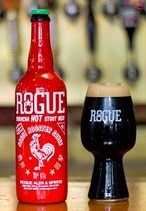
Silliness: Rogue Sriracha hot stout.

Bar07

Barley Wine

BarleyWineThe strongest of the British ales, the most malt, the most hops, the most alcohol, the most residual sugar, the heaviest taste, and the longest aging and storage time. (That Greene King Harvest Ale to the right was brewed in 1978 and enjoyed by me in 2005 - "Stayed well in the bottle. Not strong at 7% ABV, but a good mature barley wine. Port, wine, and grappa still come through").

Even though they are thick and strong, there is lots of leeway for paler as well as coal-black beers. They can be soft as a lover's caress or biting as a drill sergeant's bark.

The traditional brewing method of Barley Wines is quite simple; in fact it's actually easier to make than a Pale Ale. Have you heard of sparging? The first time water is run through the grain it picks up most of the fermentable sugars and ends up with an OG (original gravity) of, say, 1080 or so (8% sugars). For most beers more water is percolated through the grain, adding to the original run, until the final run is down to, say, 1007 - giving a full batch of wort of, say 1030. For Barley Wine, just use the first run of water. Simple, huh?

Of course your batch is quite a bit smaller, maybe only half of the amount of Pale Ale you'd get with the same amount of grain. So expect Barley Wines to be quite expensive. The rest of the grain? Make some Small Beer.

The real problem is getting your yeast to stand up to the sugars and shout "more, give me more". You need a very robust yeast to ferment upwards of 10%. Sometimes Champagne yeast was added when the Ale yeast died. Rogue Brewery in the US has developed a strain of very robust yeast they have named Pac-man Yeast for applications just like this.


Now you need to store the beer for aging. Wooden vats introduced lots of tannins and sour, lactic flavors and bacteria could literally slip through the cracks to add more flavors. All part of a good Barley Wine. Now with stainless steel vats and better control of the brewing process there is less difference from year to year but aging still is needed to marry the flavors.

Draw off the beer after only 6 months and you might get a raw, strong, overly raisiny beer that you won't be proud of. Leave it for a year or two to be sure.

Smaller breweries quite often serve a Barley Wine in the dead of winter that was brewed the previous spring. They also usually save back a barrel or two to be served next year. I guarantee you, as a consumer, will like the 21-month old ale much better than the 9-month old ale.

By the way, Barley Wine, like all strong beers, will age in the bottle. If you buy a bottle and store it for a few years (resist the temptation) you will be rewarded. For this reason, most Barley Wines (and many Old Ales) are age-dated by the year of brewing.


American Barley Wines are usually so similar to British Barley Wines as to be indistinguishable. Usually they are styled strictly on the British style and while sometimes the use of US Northwest hops give a slightly more citrusy bitterness, the massive malt base generally masks any difference.

BritishBarleyWine-ThomasHardysThe term Barley Wine was first used by Bass in 1903.

The most legendary Barley Wine is Thomas Hardy's Ale, developed in 1968 by Eldridge Pope brewery in Dorchester, Cornwall. It has been marketed in year-dated bottles since the beginning but there is a gap when the brewery shut down in 1999 (Eldridge Pope decided there was more money to be made in owning pubs than in making beer). In 2003 another brewer (O'Hanlon's of Whimple, Devon) started brewing Thomas Hardy's under license and it is considered just as good as before.

One eloquent review from RateBeer of a 1968 Hardy's tasted in 2006: "Pours reddish brown with a few sparse bubbles around the rim of the snifter despite no hint of carbonation while popping the cap. Smells of cognac, oak, some sherry notes, figs, raisins. Tastes of butterscotch, wood, cognac, some dates, hints of smokiness. This one has an established neck on the glass like a wine. Mouthfeel is peppery with hints of spices and raisins. I can’t believe how complex this one tastes for a 38 year old bottle. No cardboard notes, no wateriness, no fading. As I finish, the alcohol tickles my tongue slightly. This is the true king of aging candidates."

J.W. Lees puts out a series of Harvest Ale in casks and bottles. In addition to the "regular" Barley Wine, there are also versions that have been aged in Lagavulin Scotch Whisky, Calvados, Sherry, and Port casks. Each is distinct and all are wonderful.


Native Territory: England

Color (SRM): Usually deep amber but there are many lighter examples. (10 - 22).

Head: Maybe, maybe not.

Aromas: Malt, Dark fruit. Caramel. Some have strong hop aromas. Some are winey.

Flavors: Malt. Dark dried fruit. Sherry. Molasses. Sweet dark candy. Complex.

Finish: Long, Long. Long.

Mouthfeel: Not overly heavy. Alcoholic.

Carbonation: Usually quite still.

Alcohol: Quite warming to the mouth. 7 - 12% ABV.

Bitterness (IBU): Lots of hops to balance the extreme amount of malt. (50 - 100 IBU).

Serving: Buy several to test occasionally, checking for maturity. Serve at room temperature in a tulip glass that you can get your nose in.

Malts: Mostly Pale malt with a little Crystal or other dark malts.

Hops: East Kent Goldings. Fuggles. Target. Northdown.

Yeast: London Ale Yeast. Ringwood Ale Yeast. Sometimes finished off with Champagne Yeast. Pac-man Yeast.

Related Styles: Old Ale could be considered a lighter variation. Small Beer is made from the second running of Barley Wine mash.

Notes: Long boil times concentrate the wort somewhat through evaporation, giving a stronger and darker beer. This also adds some caramelization.


Logo-JWLeesBob's Pick: J.W. Lees Harvest Ale - Manchester, England megabrewery - Sherry, caramel, maple, wood. Enough hops to balance. Bottled versions include plain and 4 wood-aged. The Lagavulin Cask adds some peat smokiness. Grayish color. 11.5%


Rare Gems:

Bell's Beer - Kalamazoo, MI regional brewery - They release at their house tap, the Eccentric Cafe, a cask conditioned Barley Wine every 1000 batches. Each time it's different and well aged. Usually between 9 and 10% ABV.

Logo-BroadRippleBroad Ripple Ankle Biter - Indianapolis, IN brewpub - Laid down for 6 or 18 months before tapping. Clear red. Rich caramel, malt, toffee. Lightish body. Drinkable. 10%


Widely Available:

Anchor Old Foghorn San Francisco regional brewery - Soft. Deceptively non-alcoholic. All Cascade hops make it a unique barley wine. 7.2 to 10%

Logo-BurtonBridgeBurton Bridge Thomas Sykes Old Ale  - Burton upon Trent, Staffordshire, England regional brewery - Brownish copper, straw color. Rich. Alcoholic. Dark fruits, berries. Sour from the cask. Target hops. 10%

North Coast Old Stock Ale - Fort Bragg, CA regional brewery - Earthy. Caramel. Brandy, port, cognac, etc. Slight bitter finish. Alcohol certainly comes through strong. 13.2%

O'Hanlon's Thomas Hardy's Ale - Whimple, Devon, England regional brewery - Dark amber. Oak, cherry. Hops are stuck way in the background. Please let sit for at least 10 years. 11.7%

Rogue Old Crustacean - Newport, OR regional brewery - Wheat notes. Prunes. Earthy. Tobacco. Heavy mouthfeel, clinging. 11.5%

Sierra Nevada Bigfoot - Chico, CA regional megabrewery - Well rounded. Cascade hops come through and this might be the hoppiest barleywine extant. 9.6%

InBev Gold Label - Preston, Lancashire, England megabrewery - From the same brewery that makes bottled Bass. Nip bottles (180ml) found in many British pubs under the counter for regulars who are looking for a quick alcohol kick. There's some interesting tastes such as candy, orange, pepper, and a lot of alcohol so it might be worth a taste but it won't win any awards. Mentioned as it is undoubtedly the most popular Barleywine in the world. 9.5%


Typical 5-gallon (US) recipe:

Grains: 20 lb Pale malt, .66 lb Crystal 60L malt, .25 lb Crystal 120L malt

Adjuncts, Fruit, Spices: 2 oz Vanilla bean

Hops:
1.5 oz Challenger hops at start of boil
.5 oz East Kent Goldings at start of boil
1 oz Fuggles for 15 minutes of boil
.5 oz East Kent Goldings for 15 minutes of boil
1 oz East Kent Goldings at end of boil

Yeast: English Ale yeast

Mash: Infusion

Boil time: 90 minutes

OG / FG: 1100 / 1020

Notes: Dry hop with another 1 oz of East Kent Goldings in secondary fermentation, adding Ringwood Ale yeast. Allow to mature for at least 9 months. Store for up to 10 years.

Old Ales and the story of Old Peculier

BritishStrongAle-WadworthOldTimerA big step up from Pale Ales, the Old Ale is below a Barley Wine but still with plenty of alcohol - sometimes over 7% - but many have achieved the strong taste without high levels of hops. It's usually darker, thicker and has a rich malt taste with lots of balancing hops.

Strong ales go way, way back. The Domesday book of 1086 records a brewer using a total of 5.6 lb of grain per gallon. Barley, wheat, and oats in vast quantities. More than is used now for an Imperial Stout or Barleywine. Beer had to be made that way to stay drinkable without refrigeration - or even well-sealed casks. The preservative properties of hops weren't known yet. This condition lasted into the 1800s when gravities (sugars in the wort) went down a bit.

Worthington Burton Ale in 1800 was brewed at 1103 OG with 8.7% ABV. In 1890 this same beer was 1097 and 7.9%.

But they aren't called Old Ales because the style is old but because of the aging it gets before it's ready to drink - but the style really is one of the older types of beer. They are now mainly a winter drink but in the 1800s breweries often shut down during the summer when temperatures were too hot for fermentation and Old Ales that were brewed in the winter made their appearance in the pubs.

BritishStrongAle-MarstonsOwdRodgerThen known as Stock Ale, Old Ale was much more prevalent than today. It gradually disappeared in the industrial age mainly due to the cost of brewing and the development of Porter but has made a come-back with the popularity of Old Peculier (see below).

Old Ale was one of the styles mixed to make early Entire Butt beers that became the Porter style. This in part because London breweries brought Stock Ale out of the cellar to mix with dwindling supplies of fresh beer during the summer. Any left once brewing resumed in the autumn was called Old Ale. Industrialization and refrigeration actually spelled doom in this case.

Today, these beers are occasionally found on tap in cask conditioned form but are more often bottled and suitable for aging in your house like a fine wine. Many are bottle-conditioned (with a touch of yeast added) to further enhance aging. All have been held in casks or wooden tuns to develop their characteristics.

Malty sweetness predominates and hopefully there's some sourness, dark fruit (melanoidin), and maybe woody flavors - all due to the aging process. Actually Old Ale was a much sweeter beer back in the 1800s. Fermentation was not done as thoroughly as today (not attenuated as much) so there were more residual sugars in the finished product.

Many brewers use a secondary fermentation and introduce Brettanomyces bacteria to give an earthy, "horse blanket" character.

Most Old Ales are made in Britain. Some US brewers make similar beers but usually lack the brettanomyces sourness that became traditional and needed to be added after casks became metal instead of wood, a good harbor of microflora. The term Barleywine is often applied to Strong Ales in the US.

Native Territory: Southern England

Color (SRM): A large range. Amber to dark reddish. Brown (8 - 21).

Head: Usually very little.

Aromas: Sweet malt. Dark fruit. Candy such as toffee, caramel, or treacle. Roastiness. Leather. Tobacco.

Flavors: Malt, fruit, plum. Sherry sweetness. Earthiness. Tannin. Wood. Some oxidation. Lactic acid.

Finish: Strong with a bitter ending. Not necessarily long.

Mouthfeel: Reasonably thick but far less than chewy.

Carbonation: Some carbonation can build throughout years of aging.

Alcohol: A large range. Quite noticeable. Warming. 4.5 - 10% ABV.

Bitterness (IBU): Spicy bitterness in the background only to balance the sweetness. (30 - 70 IBU).

Serving: Suitable for a smaller, wide-mouth glass. Serve at 50°F plus

Malts: Pale, Crystal, Chocolate, Black Patent, Roasted.

Hops: Fuggles, Northdown.

Yeast: British Ale Yeast. London ESB Ale Yeast. Ringwood Ale Yeast.

Related Styles: Winter Warmers are similar seasonal beers that have more spices and/or fruit added.

Notes: Sometimes molasses or treacle are added to the mash. Brettanomyces bacteria are often added to the aging beer in Britain.


Bob's Pick:

Logo-Ridley-OldBobRidley's Old Bob - Chelmsford, Essex, England megabrewery - Reddish. Caramelly and vinous with a touch of licorice. All Fuggles hops. 5.1%

Rare Gems:

Goose Island Imperial Brown Goose - Chicago regional brewery - A blend of Christmas Ales from two years that have been aged in bourbon barrels.

Robinson's Old Tom - Stockport, Cheshire, England regional brewery - Strong but with delicate flavors. Chocolate, plum, port. Long bitter-sweet finish. 8.5%

Logo-WadworthWadworth Old Timer - Devises, Wiltshire, England regional brewery - Buttery smooth and bracing. Winter seasonal. 5.8%

Widely Available:

Gale's Prize Old Ale - London megabrewery (Fullers) - Sherry, molasses, raisin, and yet still dry. Sipping beer. They say "at its best after 20 years of maturing". 9%

Logo-GreatDivideGreat Divide Hibernation Ale - Denver, CO regional brewery - Roast and some smoke character. Brown sugar, dark malt. Northwest hops give a citric bitter finish. 8.1%

Greene King Strong Suffolk - Bury St. Edmunds, Suffolk, England - A blend of two ales, a 12% which is matured for 2 years and a 4.4% fresh beer. Small head. Oak comes through strongly. Vanilla from the oak augments the dark malt flavors. 6%

Marston's Owd Rodger - Burton upon Trent, Staffordshire, England - Nicely married. Fully malty with lots of balance. 7.6%

Theakston Old Peculier - Masham, North Yorkshire, England - Butter, lactic, caramel, chocolate. Aged taste. 5.6%

Young's Old Nick - Bedford, England megabrewery - Labeled a Barley Wine but not enough alcohol. One of the most readily available. Can be harsh if not kept. All Fuggles and Goldings. Dark red color. Lots of Crystal malt. 7.2%


Typical 5-gallon (US) recipe

Grains:
11 lb Pale malt
1 lb Crystal 60L malt
.5 lb Biscuit malt
.25 lb Crystal 120L malt

Adjuncts, Fruit, Spices:
.5 lb Molasses

Hops:
.75 oz Target hops at start of boil
.5 oz Fuggles for 15 minutes of boil

Yeast:
British Ale yeast

Mash:
2-Step

Boil time:
90 minutes

OG / FG:
1067 / 1017

Notes:
Age for 4 months minimum.


The story of Theakston's Old Peculier

Logo-Theakston-OldPeculierOld Peculier is without doubt the most famous Old Ale and has been since it revived the style by winning Champion Winter Beer of Britain in 2000.

About the name: The title of Peculier of Masham was bestowed on Nigel de Albini by William the Conqueror. A Peculier is a French word for a particular court - the legal kind rather than the "at court" kind. This kickback made Nigel the head honcho around those parts.

The title passed to his heirs, Roger de Mowbay, etc. Roger, as you know (don't you?) was captured during the Crusades and ransomed by the Knights Templar. In gratitude, he gave the Peculier of Masham to the Archbishop of York - who didn't really want the responsibility and freed the town of Masham from the laws involved by this court.

Laws? Yep. Stuff like not going to church, drunkenness, swearing, not having one's children baptized, telling fortunes, getting friendly with Roman Catholic priests. Etc. All the other laws of the land, of course, still stand in Masham - they not being Peculier.

At any rate, Old Peculier has survived ownership by Scottish & Newcastle when the family sold the Theakston brewery in 1983 and benefited from S&N's marketing muscle to send the bottled version to the US and farther. When the Theakston family bought the company back in 2003 they benefited from the overseas popularity and British Isles notoriety of Old Peculier and it has become a mainstay of their new empire.

By the way, family member Paul Theakston didn't want to sell the company and in 1992 set up a rival Black Sheep brewery in Masham which is still going strong, thank you very much. But it doesn't make a Strong Ale. Sigh.